The History of Wooden Mosaic Art in Iran
Persian art or Iranian art has one of the richest art heritages in world history. One of the most beautiful arts and crafts in Iran is wood mosaic art.
The oldest example of wood mosaic art in Iran was discovered during excavations in the ancient burnt city of Zabul. It dated back to the fifth millennium BC. It was made up of geometric shapes.
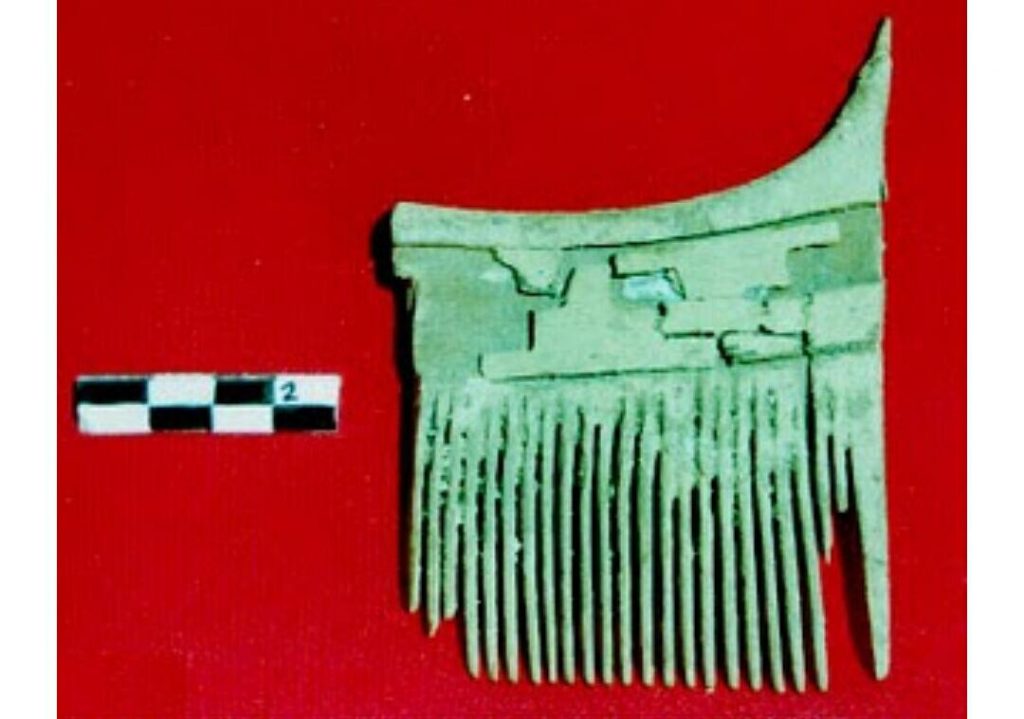
One thousand years on, two more mosaics were found. The first was discovered in the burnt city excavations. The second was a panel from 1313AH (1934).
These examples have been succeeded by the outstanding work of Ahmad Rhana. His work is considered to provide a superior early example of wooden mosaic art.
( PHOTO)
From the sixth century onwards the work of Seljuk can be found in Iran. (PHOTO)
Originating from the eighth century AH, there are some exceptional examples of Iranian mosaic art. The Iranians were able to create this ancient art in the most beautiful geometric shapes through the application of mathematical science. (PHOTO)
From 1334AH (1955) onwards, more colour variation was applied, and consequently a wider variety of industrial woods were evident in the mosaics. (PHOTO)
 English
  Arabic
  Chinese
  French
  German
  Norwegian
  Persian
  Russian
  Spanish